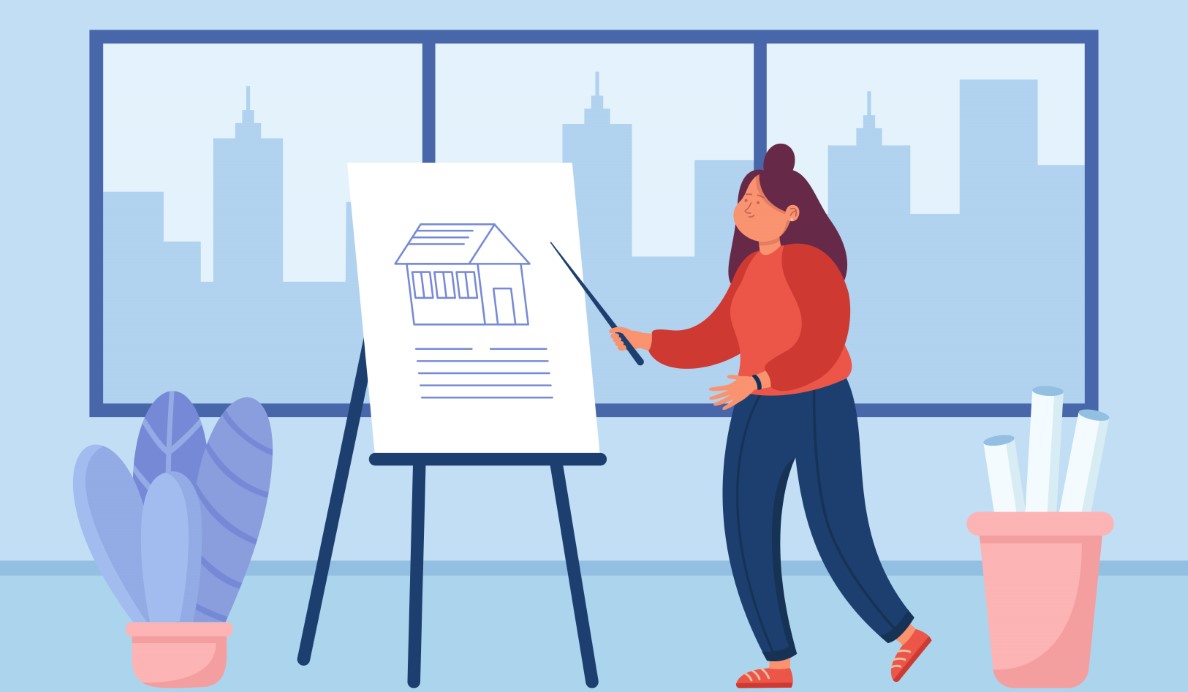
Describe plans
Use the following information to learn how to describe plans:
Vocabulary
| 🔊 | Plan |
| 🔊 | Goal |
| 🔊 | Objective |
| 🔊 | Target |
| 🔊 | Strategy |
| 🔊 | Action |
| 🔊 | Task |
| 🔊 | Timeline |
| 🔊 | Schedule |
| 🔊 | Deadline |
| 🔊 | Prioritize |
| 🔊 | Organize |
| 🔊 | Prepare |
| 🔊 | Arrange |
| 🔊 | Commitment |
| 🔊 | Motivation |
| 🔊 | Progress |
| 🔊 | Achieve |
| 🔊 | Success |
| 🔊 | Evaluation |
| 🔊 | Flexibility |
| 🔊 | Adapt |
| 🔊 | Focus |
| 🔊 | Accountability |
| 🔊 | Ambition |
Present Simple Tense: Use the present simple tense to talk about scheduled events or activities that are part of your plan.
Example:
| 🔊 | "Every Monday, I attend English classes to improve my language skills." |
Present Continuous Tense: Use the present continuous tense to describe actions or activities that are already arranged or planned for the near future.
Example:
| 🔊 | "I am meeting my friends for dinner tonight." |
Future Simple Tense: Use the future simple tense (often with "will") to express general intentions or decisions regarding your plans.
Example:
| 🔊 | "I will visit my family during the summer vacation." |
Going to + Verb: Use "going to" + verb to talk about specific plans or intentions you have already made.
Example:
| 🔊 | "I am going to travel to Japan next year." |
Time Expressions: Incorporate time expressions to provide additional details about your plans, such as specific dates, days, or periods.
Example:
| 🔊 | "In two weeks, I will start a new job." |